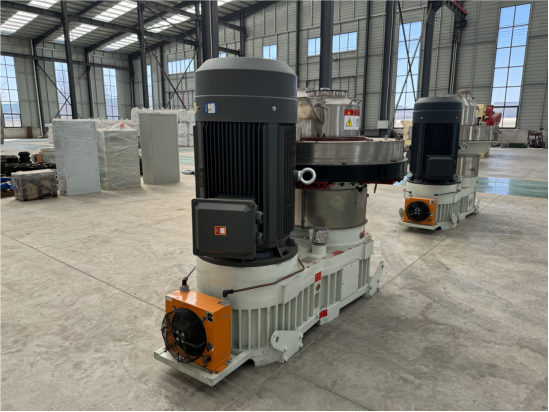
The wood chip pellet mill is constructed from wood chips, straw, bagasse, rice bran and other agricultural and forestry wastes through a series of processes, including crushing, mixing, extruding and more. Unlike traditional fossil fuels, it produces less greenhouse gases when burned.
In the context of a low-carbon economy, all sectors are actively engaged in transforming research and development strategies to achieve greater energy efficiency and environmental friendliness. This is occurring alongside a growing recognition that protecting the environment is a shared responsibility for all enterprises.
The wood pellet mill is now connected to the international pellet fuel market.
As the Chinese economy continues to grow rapidly, the demand for fuel in the country is increasing year on year. According to industry experts, the current fuel supply, which is mainly coal, cannot meet the current market demand. This creates a stable market environment, which presents a significant opportunity for profit.
China's continued integration with the international market is driving increased demand for industrial products, with the domestic chemical and metallurgical industries alone currently requiring 10,000 tonnes of annual supply. The food industry also has a significant annual demand of 10,000 tonnes or more, while the northern region uses 10,000 tonnes of charcoal for heating. In addition, China exports several million tonnes of fuels each year.
China is a significant fuel-producing country. Our government has prioritized ecological environmental protection, and with increasing domestic and international demand for fuel, there is a growing need for fuel resources. Japan, the United States, South Korea, Southeast Asia and Taiwan, and other countries and regions, are seeking to source fuel from China. However, China's existing fuel production capacity is unable to meet existing market demand.